
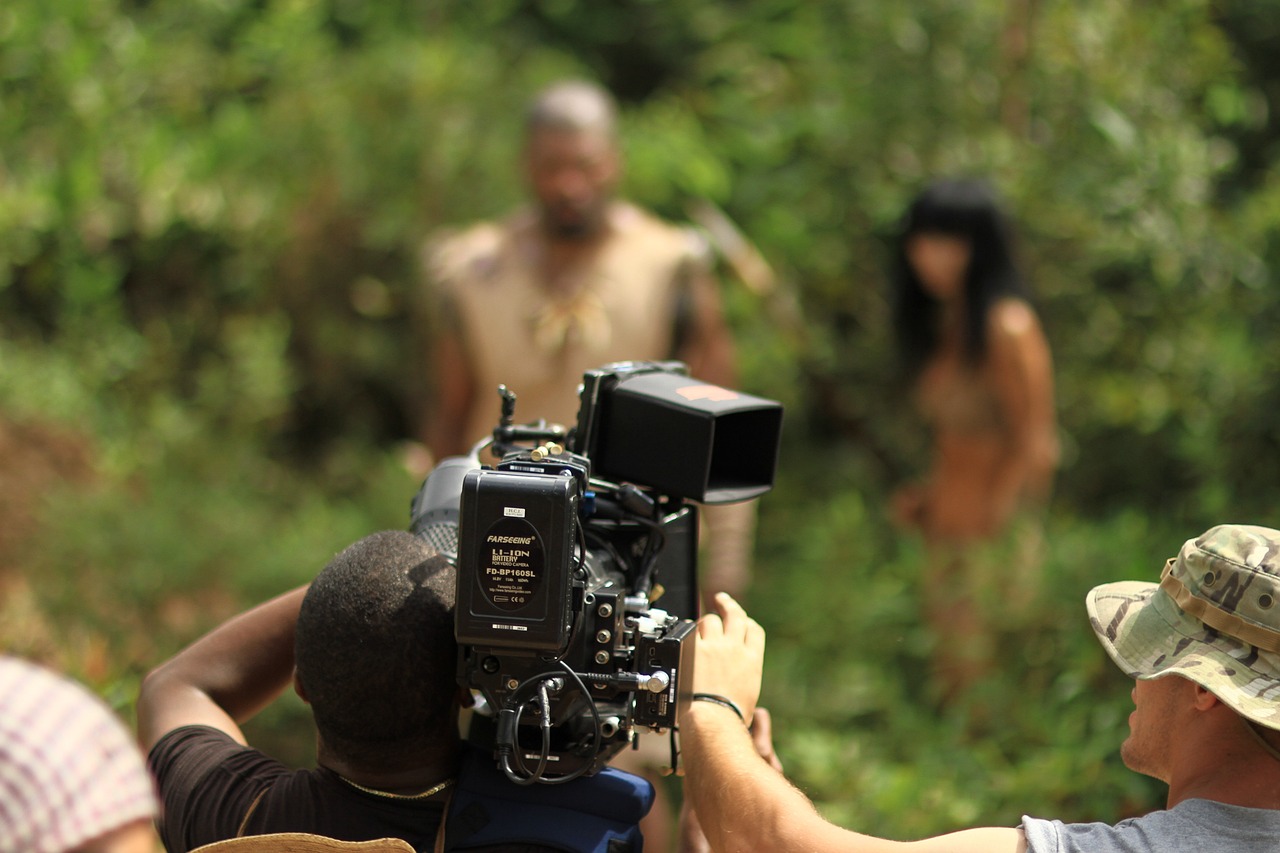
Stepping onto a stage or standing in front of a camera can be both exhilarating and terrifying. For many veterans, this experience mirrors the leap of faith they took while transitioning from military life to civilian careers. The world of acting provides a unique venue for veterans to channel their experiences and emotions, transforming past roles into newly discovered talents. With the rise of specialized veterans workshops for acting, this transition is more supportive and structured than ever.
Acting workshops designed specifically for veterans focus on harnessing the unique skills developed during military service. These skills might not initially seem to lend themselves to the theatrical world, yet they form a solid foundation for compelling performances and dynamic storytelling. Discipline, teamwork, adaptability, and resilience are central to both professions. By aligning these shared values, veterans often find that the stage becomes another arena where they can thrive.
One of the key elements of these workshops is creating a safe, understanding environment where veterans can explore their creative sides without judgment. These workshops recognize the rich tapestry of experiences veterans bring to acting, turning perceived vulnerabilities into strengths. This atmosphere fosters camaraderie and mutual support—elements veterans are deeply familiar with, thus easing the transition into this new artistic community.
Moreover, participating in these workshops is not just about learning lines or perfecting technique. There’s a strong therapeutic element involved. Veterans often carry profound stories and emotions that acting can help release in a structured and cathartic way. This artistic exploration allows participants to process their past, share their narratives, and perhaps even inspire others through performances that resonate with authenticity and power.
As the workshops unfold, participants engage in a variety of acting exercises that are both educational and transformative. Improvisation encourages quick thinking and adaptability, script readings develop a deeper understanding of narrative structures, and scene work promotes nuanced performances. These exercises not only hone their acting skills but also bolster confidence, self-expression, and communication skills—essential tools for any career path they pursue.
Additionally, many workshops invite casting directors, agents, and seasoned actors from the industry to share insights and offer networking opportunities. Veterans learn about the mechanics of auditions, the subtleties of script interpretation, and the essentials of creating a compelling character. Such guidance is invaluable, opening doors to potential career paths within the performing arts that veterans may not have previously considered.
In conclusion, veterans workshops for acting are more than just extracurricular activities; they are bridges to new identities, opportunities, and communities. By tapping into the rich reservoir of skills and experiences that veterans possess, these workshops empower them to unleash new talents and explore vast creative horizons. The journey from service to stage is not only possible but profoundly impactful, offering veterans a voice and platform to shine in the world of acting.