

Furthermore, the transition can be accompanied by mental health challenges. The exposure to traumatic events, combat situations, and the rigors of military service can leave lasting impacts. Conditions such as post-traumatic stress disorder (PTSD), anxiety, and depression may surface or intensify during this period, making it crucial to seek appropriate support and resources.
Employment and financial stability are also common concerns for transitioning veterans. Translating military skills and experiences into civilian job qualifications can be a daunting task. Additionally, the loss of a steady income and benefits during the transition can create financial uncertainties and strain.
Importance of empowering veterans for a successful transition
Empowering veterans during their transition to civilian life is crucial for their overall well-being, personal growth, and successful integration into society. By providing the necessary tools, resources, and support, we can equip veterans with the means to navigate this pivotal phase with confidence and resilience.
Empowerment fosters a sense of control and agency, enabling veterans to actively shape their future and make informed decisions. It instills a belief in their abilities to overcome challenges and pursue their aspirations, ultimately contributing to their personal and professional fulfillment.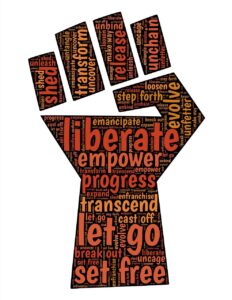
Moreover, empowering veterans promotes a smoother transition process, reducing the likelihood of negative outcomes such as unemployment, homelessness, or mental health issues. When veterans feel supported and equipped to handle the complexities of civilian life, they are better positioned to thrive and contribute their unique skills and experiences to their communities.
By investing in the empowerment of veterans, we not only honor their service and sacrifices but also tap into their immense potential as valuable assets to our society. Their leadership qualities, discipline, and problem-solving abilities can be leveraged across various sectors, driving innovation and progress.
Support available for veterans during the transition process
Recognizing the challenges faced by transitioning veterans, various support systems and resources have been established to assist them in this journey. From government programs to non-profit organizations and community-based initiatives, a comprehensive network of support is available to veterans and their families.
One of the primary sources of support is the U.S. Department of Veterans Affairs (VA). The VA offers a range of services and programs designed specifically for transitioning veterans, including:
- The Transition Assistance Program (TAP), which provides information and resources on employment, education, and entrepreneurship opportunities.
- The Vocational Rehabilitation and Employment (VR&E) program, which assists veterans with service-connected disabilities in obtaining suitable employment or achieving independence in daily living.
- Mental health services, including counseling, therapy, and support groups, to address the psychological impacts of military service and the transition process.
Non-profit organizations, such as the Wounded Warrior Project, Hire Heroes USA, and the Iraq and Afghanistan Veterans of America (IAVA), also play a vital role in supporting veterans during their transition. These organizations offer resources, mentorship programs, and advocacy efforts to ensure that veterans receive the support they need.
Additionally, many colleges and universities have dedicated veteran resource centers and programs to facilitate the transition to academic life. These centers provide guidance on educational benefits, academic advising, and peer support networks, ensuring that veterans have access to the resources they need to succeed in their educational pursuits.
Tips for a smooth transition from military to civilian life
While the transition from military to civilian life can be challenging, there are various strategies and tips that can help make the process smoother and more manageable:
- Develop a transition plan: Create a comprehensive plan that outlines your goals, timelines, and action steps for areas such as employment, education, housing, and healthcare. This plan will serve as a roadmap, helping you stay focused and organized during the transition process.
- Leverage your military skills and experiences: Identify and highlight the transferable skills you acquired during your military service, such as leadership, teamwork, problem-solving, and adaptability. These skills are highly valuable in the civilian workforce and can be effectively marketed during job searches or when pursuing entrepreneurial endeavors.
- Build a support network: Surround yourself with a strong support system, including family, friends, fellow veterans, and professional mentors. This network can provide emotional support, practical advice, and valuable connections as you navigate the transition process.
- Seek educational and training opportunities: Consider furthering your education or pursuing additional training to enhance your qualifications and expand your career options. Many educational institutions offer programs and resources specifically designed for veterans, making it easier to leverage your military experience and benefits.
- Prioritize self-care and mental well-being: The transition process can be emotionally and mentally taxing. Make self-care a priority by engaging in activities that promote relaxation, stress management, and overall well-being. Seek professional support if needed, as addressing mental health concerns is crucial for a successful transition.
- Embrace the journey: While the transition may present challenges, it also offers opportunities for personal growth, self-discovery, and new beginnings. Approach this journey with an open mind, a willingness to learn, and a positive attitude, as these qualities can help you navigate the complexities and embrace the possibilities that lie ahead.
Resources and programs for veterans transitioning to civilian life
As a veteran embarking on the transition to civilian life, it is essential to be aware of the various resources and programs available to support you throughout this journey. These resources can provide invaluable assistance, guidance, and opportunities to help you navigate the challenges and achieve your goals.
One of the most comprehensive resources is the U.S. Department of Veterans Affairs (VA). The VA offers a wide range of programs and services specifically designed for transitioning veterans, including:
- Veteran Employment Services: The VA’s Employment Services assist veterans in finding suitable employment opportunities, providing job search assistance, career counseling, and access to job fairs and hiring events.
- Vocational Rehabilitation and Employment (VR&E): This program helps veterans with service-connected disabilities to prepare for, obtain, and maintain suitable employment or achieve independence in daily living.
- Education and Training Benefits: The VA offers various education and training benefits, such as the Post-9/11 GI Bill, which can help veterans pursue higher education, vocational training, or certifications to enhance their career prospects.
- Transition and Care Management: The VA’s Transition and Care Management program provides support and resources to help veterans navigate the transition process, including assistance with healthcare, housing, and other essential services.
In addition to the VA, there are numerous non-profit organizations dedicated to supporting veterans during their transition to civilian life. Organizations like the Wounded Warrior Project, Hire Heroes USA, and the Iraq and Afghanistan Veterans of America (IAVA) offer a range of services, including career counseling, job placement assistance, mentorship programs, and advocacy efforts.
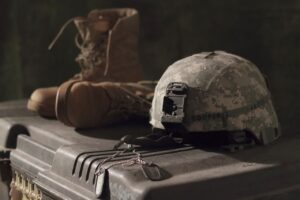 Many colleges and universities have also recognized the unique needs of transitioning veterans and have established dedicated veteran resource centers and programs. These centers provide academic advising, tutoring, peer support networks, and assistance in navigating educational benefits and resources.
Furthermore, several online resources and platforms have emerged to connect veterans with employment opportunities, networking events, and transitional support. Websites like HireVeterans.com, VetJobs.com, and VeteranRecruitingServices.com offer job boards, career resources, and tools specifically tailored for veterans seeking civilian employment.
It is crucial for transitioning veterans to explore and leverage these resources to their fullest potential. By taking advantage of the available support systems, veterans can better navigate the challenges and seize the opportunities that await them in their post-military careers and lives.
Building a professional network as a veteran
As a veteran transitioning to civilian life, building a strong professional network can be an invaluable asset in navigating the complexities of the job market and career advancement. A robust network can provide access to valuable insights, job opportunities, mentorship, and support throughout your professional journey.
One of the first steps in building your network is to leverage your existing connections from your military service. Reach out to fellow veterans who have successfully transitioned to civilian careers, as they can offer valuable advice and guidance based on their experiences. Additionally, maintain connections with your former colleagues and superiors, as they may be aware of potential job openings or able to provide recommendations and references.
Attend veteran-focused career fairs, networking events, and conferences. These gatherings not only provide opportunities to connect with potential employers but also allow you to meet and engage with other veterans who may share similar experiences and goals. Building relationships within the veteran community can lead to invaluable support, mentorship, and potential job opportunities.
Consider joining professional organizations or associations related to your desired career field. These organizations often host networking events, workshops, and industry-specific gatherings, allowing you to connect with professionals in your area of interest and stay updated on industry trends and developments.
Utilize online networking platforms, such as LinkedIn, to establish and maintain connections with professionals in your desired field. Engage in industry-specific groups, participate in discussions, and share your expertise and experiences. Building an online presence can increase your visibility and open doors to potential job opportunities or collaborations.
Volunteering or participating in community service activities can also be an excellent way to expand your network. Not only does it demonstrate your commitment to giving back, but it also allows you to meet and connect with like-minded individuals who may share valuable insights or connections.
Remember, building a professional network is an ongoing process that requires consistent effort and genuine engagement. Approach networking with an open mind, a willingness to learn, and a desire to contribute your unique skills and experiences. By fostering meaningful connections and actively participating in your professional community, you can increase your chances of success in your post-military career endeavors.
Exploring career options and finding the right fit
As a veteran transitioning to civilian life, exploring career options and finding the right fit can be a daunting task. However, with the right approach and resources, you can leverage your unique skills, experiences, and interests to embark on a fulfilling and rewarding career path.
One of the first steps in exploring career options is to conduct a self-assessment. Reflect on your strengths, values, interests, and transferable skills acquired during your military service. Identify the aspects of your military career that you found most rewarding and the types of environments or roles that aligned with your natural abilities and preferences.
Once you have a clear understanding of your strengths and interests, research various career fields and industries that align with your goals and aspirations. Utilize resources such as the U.S. Department of Labor’s Occupational Outlook Handbook, career exploration websites, and informational interviews with professionals in fields of interest.
Consider your educational background and whether additional training or certifications may be necessary to pursue certain career paths. Many educational institutions offer programs and resources specifically designed for veterans, making it easier to leverage your military experience and benefits.
Seek guidance from career counselors or mentors who specialize in assisting veterans with career transitions. They can provide valuable insights, assessments, and personalized advice to help you navigate the job market and identify opportunities that align with your unique profile.
Attend career fairs, networking events, and industry-specific conferences to learn about different career paths, connect with potential employers, and gain insights from professionals in your areas of interest. These events can also provide opportunities to learn about internships, apprenticeships, or entry-level positions that can serve as stepping stones to your desired career.
Additionally, consider exploring entrepreneurial opportunities or starting your own business. Your leadership skills, discipline, and problem-solving abilities acquired during your military service can be valuable assets in the entrepreneurial world.
Remember, finding the right career fit is a process of self-discovery, exploration, and adaptation. Be open to new experiences and opportunities, and don’t be afraid to pivot or adjust your career path as your interests and goals evolve. With perseverance, a willingness to learn, and a commitment to pursuing your passions, you can find a fulfilling and rewarding career that aligns with your unique strengths and aspirations.
Overcoming common obstacles during the transition process
The transition from military to civilian life can present various obstacles and challenges that may seem daunting or overwhelming. However, by understanding and proactively addressing these common obstacles, veterans can navigate the transition process with greater confidence and resilience.
One of the most significant obstacles is the cultural shift. The military environment fosters a distinct set of values, norms, and expectations that can differ significantly from the civilian world. Adjusting to a new way of life, communication styles, and societal expectations can be a significant challenge for many veterans.
Another common obstacle is translating military skills and experiences into civilian job qualifications. While veterans possess a wealth of valuable skills, such as leadership, teamwork, and problem-solving abilities, effectively communicating and showcasing these skills to potential employers can be challenging.
Mental health challenges, such as post-traumatic stress disorder (PTSD), anxiety, and depression, can also present obstacles during the transition process. The emotional and psychological impacts of military service can resurface or intensify during this period, making it crucial to seek appropriate support and resources.
Financial concerns are another obstacle that many veterans face. The loss of a steady income and benefits during the transition can create financial uncertainties and strain, particularly for those with families or dependents.
To overcome these obstacles, it is essential to develop a comprehensive transition plan that addresses various aspects of the transition process. This plan should include strategies for personal and professional development, financial planning, and mental health support.
Seeking guidance and support from veteran-focused organizations, mentors, and counselors can be invaluable in navigating the challenges of the transition process. These resources can provide practical advice, connections, and access to programs and services specifically designed to assist veterans.
Building a strong support network, consisting of family, friends, fellow veterans, and professionals, can also be a powerful tool in overcoming obstacles. This network can provide emotional support, practical advice, and a sense of community during the transition journey.
Additionally, embracing a growth mindset and a willingness to learn and adapt can greatly contribute to overcoming obstacles. The transition process may require acquiring new skills, adapting to new environments, and embracing new perspectives – and an open and flexible mindset can facilitate this process.
Remember, the transition from military to civilian life is a journey, and obstacles are a natural part of the process. By proactively addressing these challenges, seeking support, and maintaining a positive and resilient mindset, veterans can successfully navigate the transition and emerge stronger and more prepared for the next chapter of their lives.
Success stories of veterans who have successfully transitioned
Despite the challenges and obstacles that veterans may face during their transition to civilian life, countless individuals have successfully navigated this journey and achieved remarkable personal and professional accomplishments. These success stories serve as inspiration and testament to the resilience, determination, and adaptability of veterans.
One inspiring example is that of Alejandro Villanueva, a former U.S. Army Ranger who transitioned into a successful career in the National Football League (NFL). After serving multiple tours in Afghanistan, Villanueva pursued his passion for football and ultimately became an offensive tackle for the Pittsburgh Steelers. His unwavering dedication, discipline, and teamwork skills, honed during his military service, played a pivotal role in his success on the field.
 Another remarkable story is that of Jas Boothe, a former U.S. Army officer who transitioned into the field of international development and humanitarian aid. After serving in the military, Boothe leveraged her leadership experience and cultural awareness to work with organizations such as the United Nations and the World Bank, making a significant impact in crisis-affected regions around the world.
In the realm of entrepreneurship, Eli Crane, a former U.S. Navy SEAL, has achieved remarkable success with his company, Bottle Breacher. Inspired by his military experience, Crane created a unique line of products that repurpose decommissioned ammunition casings into functional bottle openers. His company not only provides employment opportunities for fellow veterans but also donates a portion of its proceeds to support veteran-focused organizations.
The success story of Evan Walker, a former U.S. Marine Corps officer, exemplifies the versatility and adaptability of veterans in the civilian workforce. After transitioning from the military, Walker pursued a career in the technology industry, where he leveraged his leadership and problem-solving skills to rise through the ranks and eventually become the Chief Strategy Officer at Gartner, a leading global research and advisory firm.
These success stories highlight the diverse paths and opportunities available to veterans as they embark on their transition to civilian life. They serve as a reminder that with the right mindset, support, and determination, veterans can overcome challenges and leverage their unique skills and experiences to achieve remarkable personal and professional growth.
Celebrating the resilience and strength of veterans during their journey to civilian life
As we reflect on the journey of veterans transitioning to civilian life, it is impossible to overlook the immense resilience, strength, and determination they embody. The transition process, while challenging, is a testament to the adaptability and perseverance that veterans have cultivated through their military service.
Throughout their careers, veterans have faced numerous obstacles, from the rigors of training to the complexities of combat situations. They have developed a unique set of skills, including leadership, teamwork, problem-solving, and the ability to thrive in high-pressure environments. These skills, combined with their unwavering dedication and commitment to service, have prepared them to navigate the challenges of the transition process with fortitude and grace.